06:00–09:30
North America bank
Arrivals from Miami, New York, Toronto, Mexico City. Same-day connections south.
Project Heartland · Confidential briefing · 20 September 2026
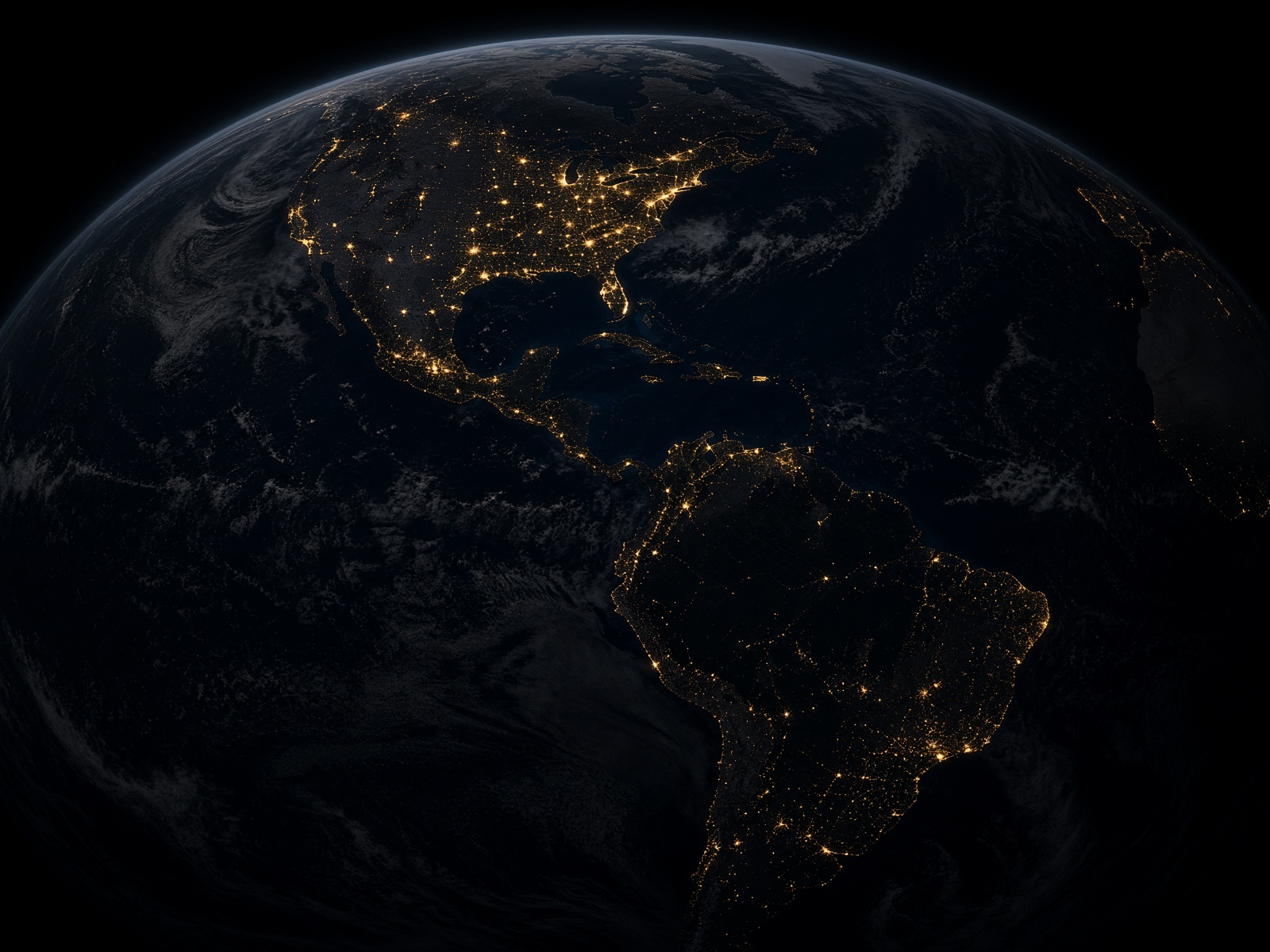
Qatar has the capital to build it — and can hold exclusive rights to use it as a hub connecting North, Central, and South America.
Prepared for the Government of Jamaica · Doha Investment · Qatar Airways
The thesis
Jamaica sells a 40-year concession on a hurricane-proof inland international airport. Qatar buys exclusive rights to run it as the connecting hub for the Americas.
30 m
Elevation at Vernamfield — versus 1.3 m at Sangster
2,000 ac
Contiguous inland land already in public hands
$3.52bn
Illustrative full-hub capex, off Jamaica’s balance sheet
25 m
Passengers a year at Americas-hub maturity
40 yr
DBFOM concession with exclusive hub rights
01 The case
On 28 October 2025, Hurricane Melissa came ashore on Jamaica’s south-west as a Category 5 with sustained winds of 185 mph — the strongest storm on the island’s record. The World Bank’s GRADE estimate put physical damage at US$8.8 billion, about 41 percent of 2024 GDP.
Sangster, the tourism gateway on the north coast, lost roof and took floodwater; seven gates closed. Norman Manley, on the Palisadoes spit, was spared the worst of the wind and still had to shut. The Minister had already said the quiet part: both airports are “obviously, on the sea,” and a hurricane warning closes them.
This is not a one-storm story. UNCTAD and the Airports Authority’s own risk work put Sangster’s runway at roughly 1.3 metres above mean sea level. At Norman Manley, elevations run 0.2 to 4.6 metres; a 50-year storm surge inundates 100 percent of the land and buildings. Ivan in 2004 and Dean in 2007 cut the only road to Kingston’s airport. Adaptation at the coast is real. It is also finite.
1.3 m
Sangster runway above sea level
100%
NMIA in a 50-year surge footprint
US$8.8bn
Melissa damage · 41% of GDP
0
Inland wide-body airports today
“When Melissa struck, the operational pressure on both facilities was immense. The question we must answer, honestly and urgently, is what happens if one or both of our major international airports is rendered inoperable.”
02 The site
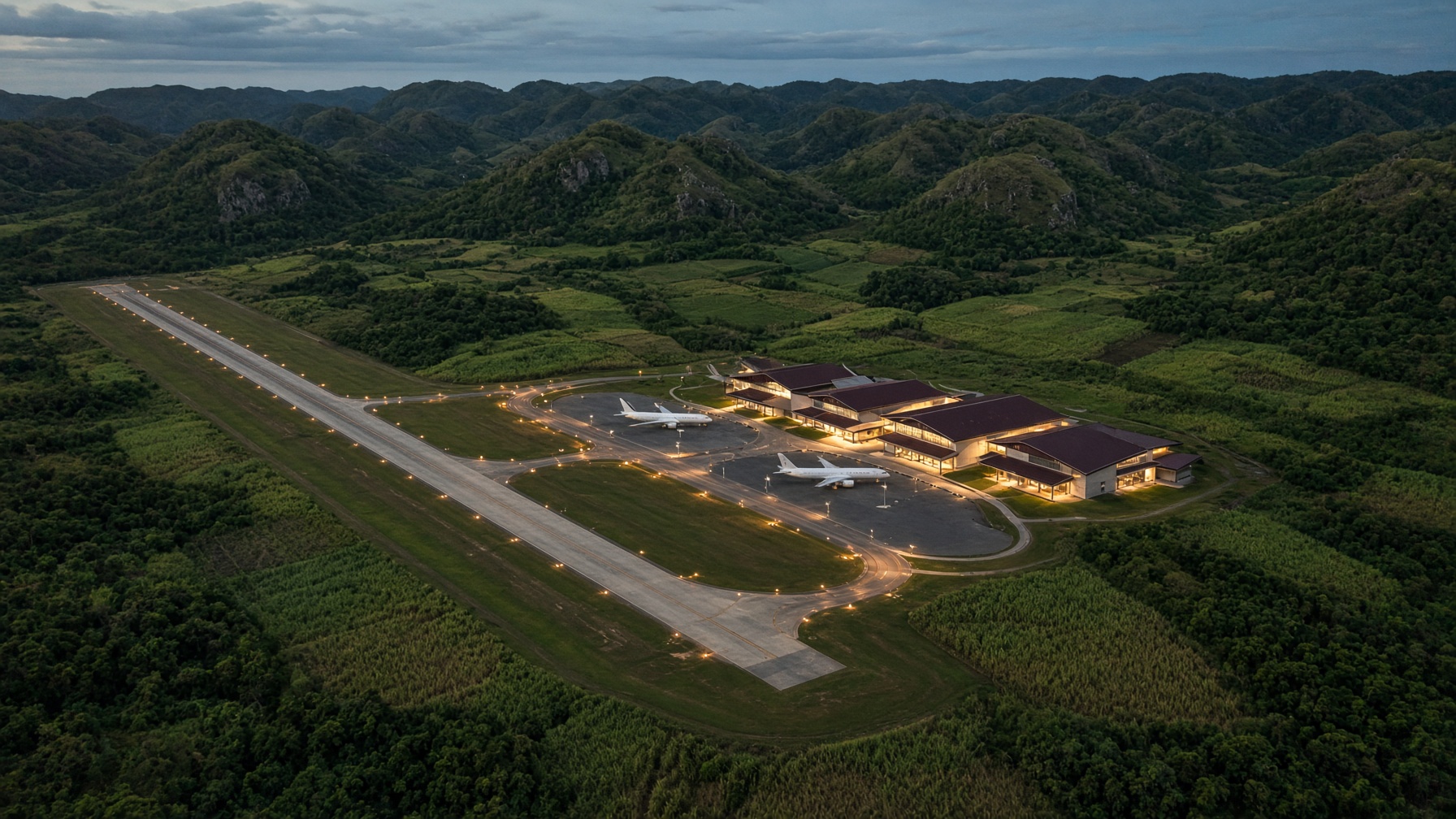
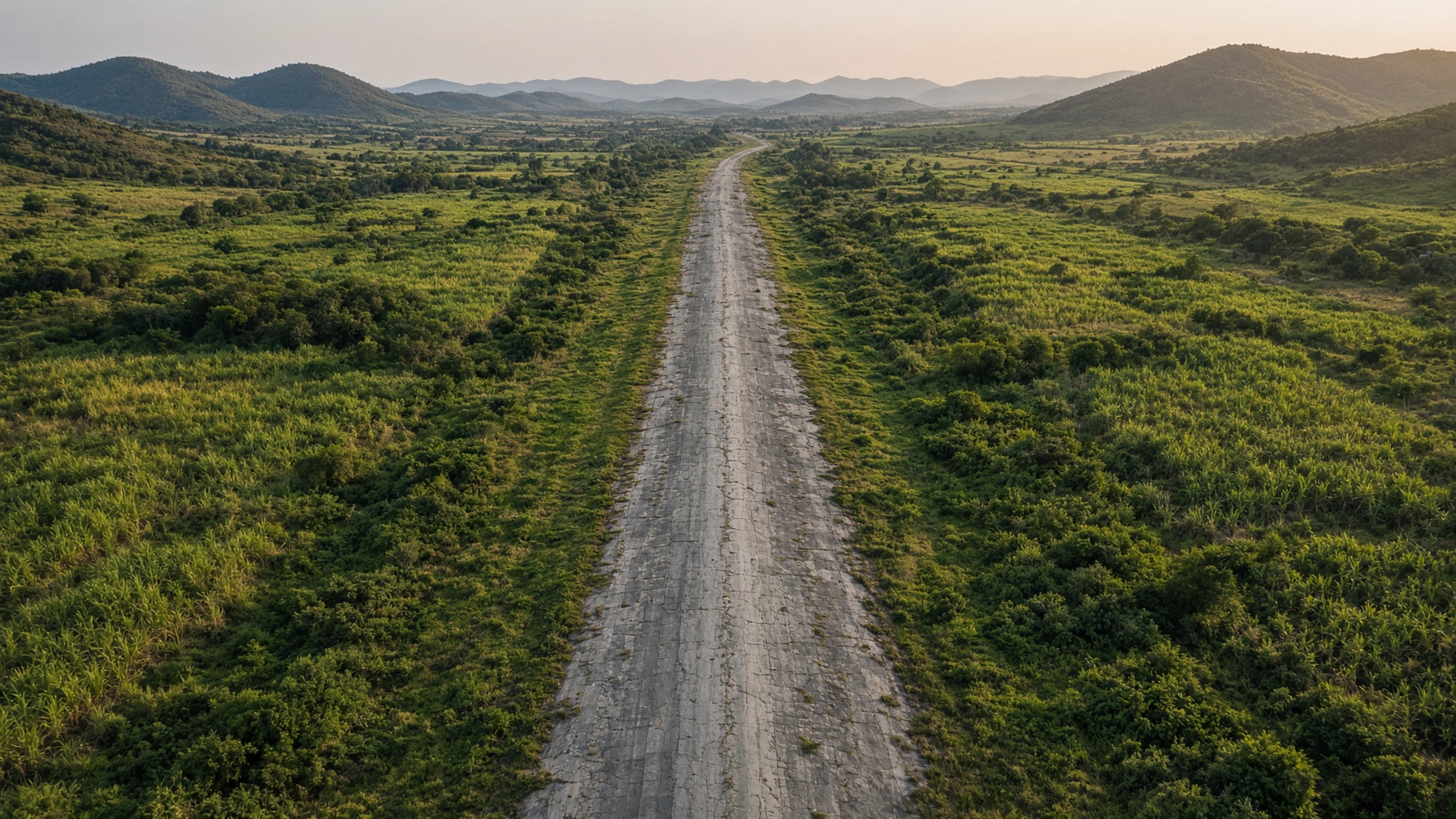
The Government of Jamaica is already advancing Vernamfield Lite: a phased rehabilitation of the World War II United States Army Air Forces field, 55 kilometres west-south-west of Kingston, to take the largest commercial aircraft as a national backup. The Prime Minister was explicit — in a hurricane, earthquake, or other disaster that takes Norman Manley or Sangster, Jamaica must still be able to receive wide-body jets, relief aircraft, cargo, and military transport.
The concrete is still there. The land is still there. Multiple roads, unlike the single causeways that isolate both coastal airports. What the Lite programme does not yet fund is a true international airport and a carrier willing to make it a hub rather than a spare strip. That is the opening for Qatar.
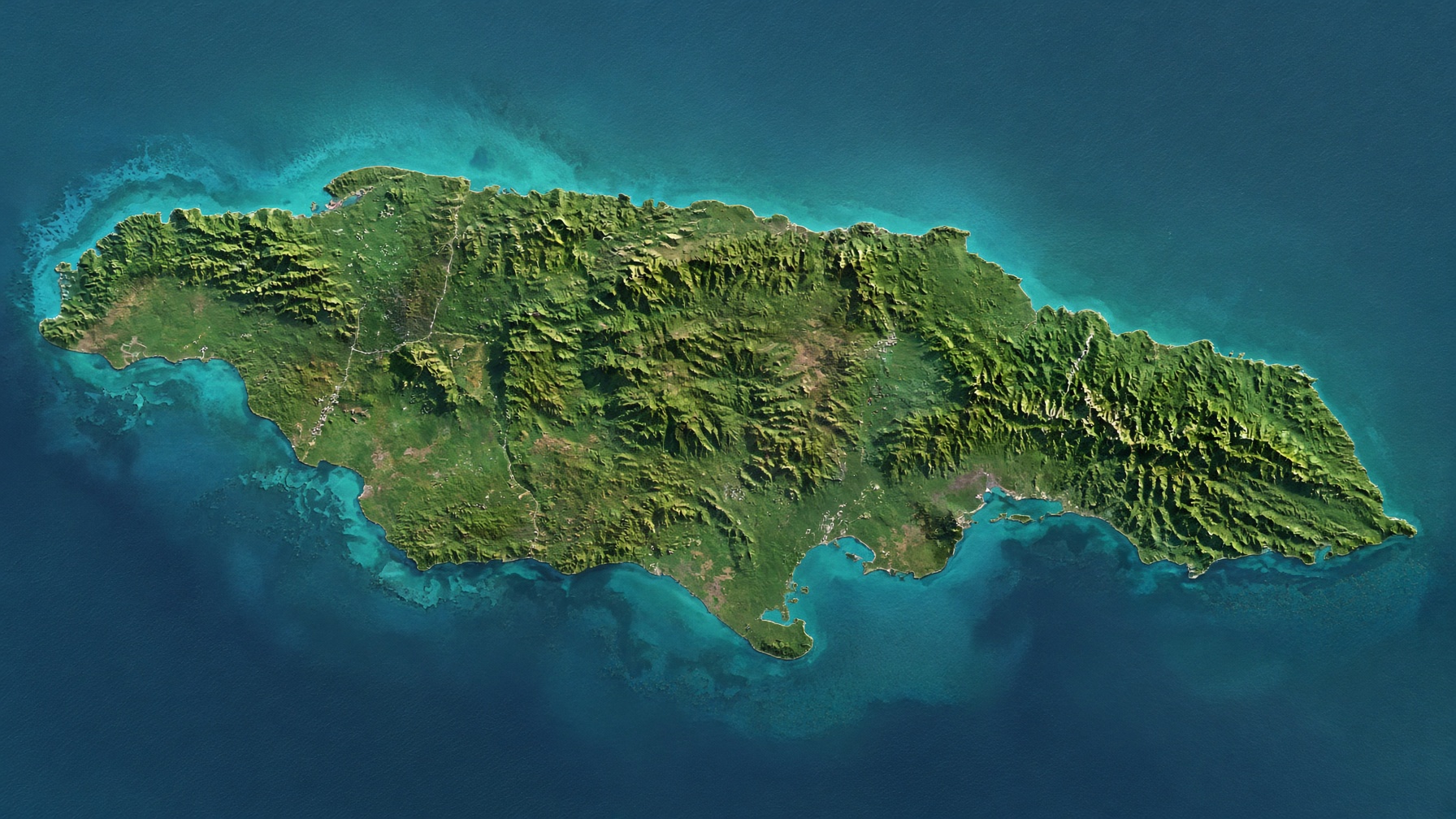
Jamaica · three gateways
Tap a field
03 Resilience
Above the water
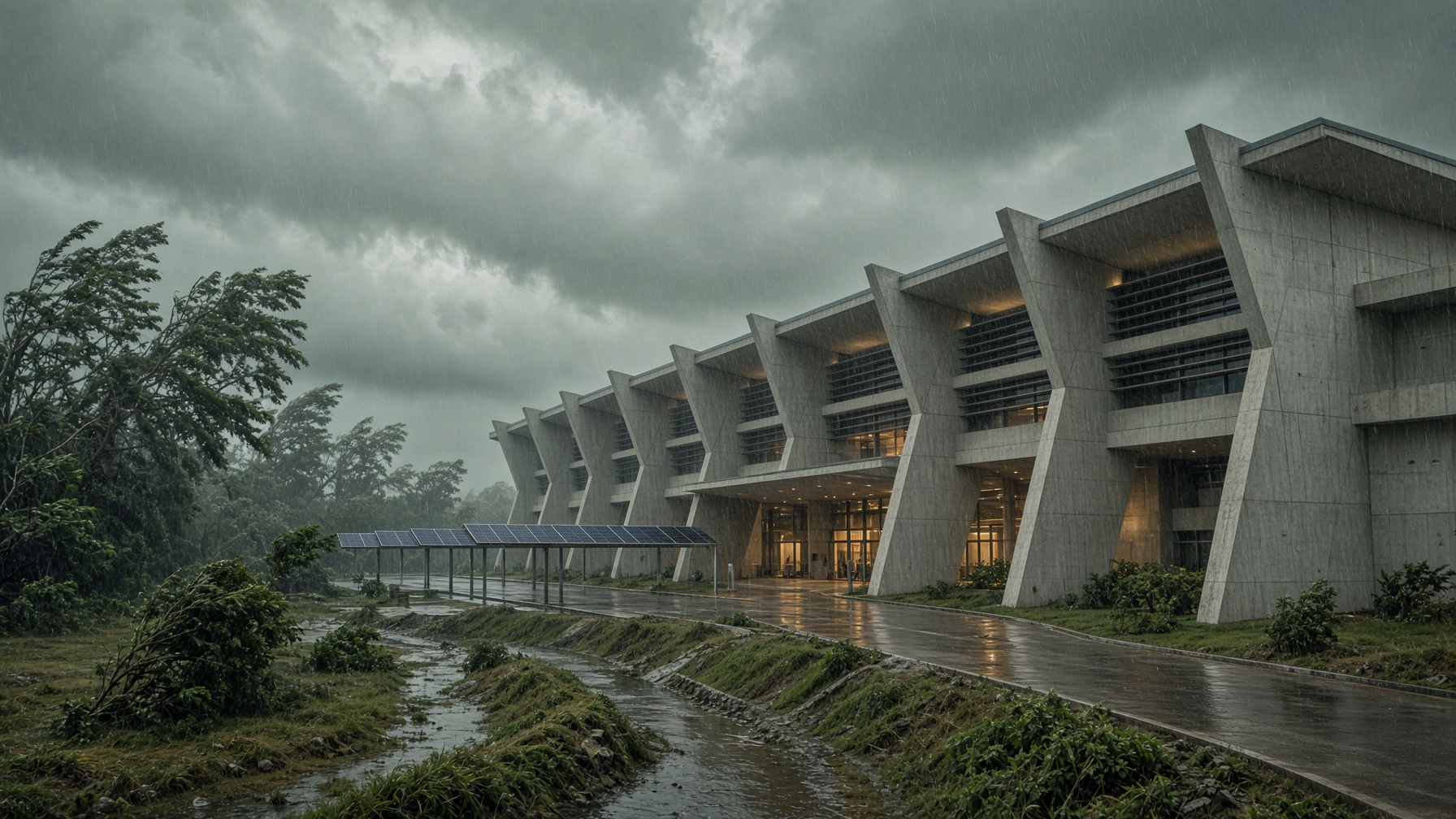
Site elevation ~30 m versus 1.3 m at Sangster. No marine inundation path. Fifteen-plus kilometres inland of Portland Bight.
Wind above Melissa
Structure and cladding rated past 185 mph. Low-rise terminal, recessed impact glazing, no glass curtain wall, concrete moment frames, bermed utilities.
A strip that drains
Grooved concrete, 11,000 ft first, 14,000 ft parallel later. Rapid sheet drainage. Taxiway usable as an emergency landing strip.
Island-proof operations
On-site generation, seven-day fuel, dual water, buried fibre. Humanitarian warehouse sized for wide-body relief. Independent of Palisadoes and the north-coast highway.

04 The hub
Qatar Airways is a single-hub masterpiece at Hamad International — 54.3 million passengers in 2025, a widebody order book, and a cargo franchise that already touches São Paulo, Campinas, and Buenos Aires. What it does not have is a place to turn Miami–Bogotá, New York–Lima, or Toronto–Panama on Qatar metal. Those markets belong to Copa, American, and Avianca. A Jamaica hub, with exclusive connecting rights, is how Qatar Airways enters that fight without building a second Doha.
The 2026 airspace disruption showed the cost of one gateway. US flying fell 49 percent in the second quarter. A Western Hemisphere fortress does not replace Doha. It stops a single NOTAM from erasing the Americas. Fifth-freedom rights out of Kingston’s air-services agreements, English common law, and Open Skies with the United States are the legal soil. Exclusive slots are the moat.
Americas connecting bank
Block times from VIA
 VIAMiami
Doha can reach the hemisphere. It cannot connect it. Vernamfield sits inside the triangle Copa, American, and Avianca already fight over — with English common law, Open Skies to the United States, and exclusive metal for Qatar Airways.
Vernamfield → Miami
1h 25m
06:00–09:30
Arrivals from Miami, New York, Toronto, Mexico City. Same-day connections south.
08:30–12:00
Departures to Panama, Bogotá, Caracas, Lima. Reverse wave inbound.
15:00–19:00
South America metal turns for the US and Canada evening banks.

05 Exclusive rights
Exclusive designation as the primary hub airline for scheduled international passenger connections at Vernamfield for the term. Feeder, domestic, and Caribbean carriers remain open — the hub needs them.
Priority on 60% of peak-hour runway and stand capacity. Protects the connecting bank that a hub actually is.
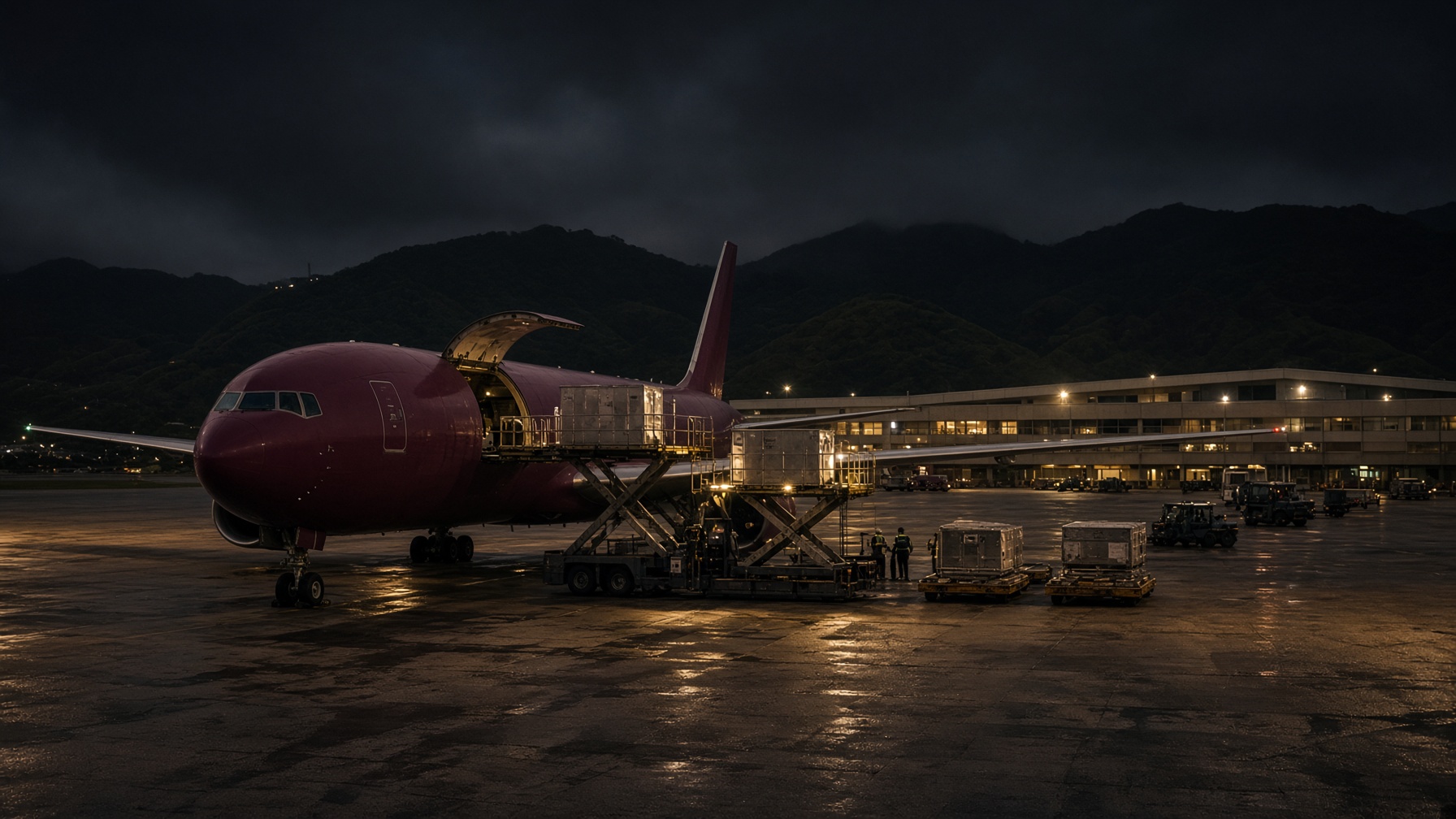
Exclusive ground-handling and warehouse rights for belly and freighter cargo for the first 15 years, with a renewal option.
Jamaica undertakes to back fifth-freedom rights in its Americas bilaterals so Qatar Airways can fan out from Vernamfield without returning to Doha.
First right on hangar land and heavy-maintenance plots — a Western Hemisphere shop for the Qatar Airways widebody fleet.
Co-branding of the international terminal and an exclusive airside campus for crew, catering, and cargo. Sovereignty, immigration, and security remain Jamaican.
A second hub, not a spoke
Qatar Airways is a single-hub carrier. The 2026 airspace shock cut US flying nearly in half in Q2. A Western Hemisphere fortress hub is operational insurance that Doha cannot provide.
The missing Americas machine
Doha cannot connect Miami to Bogotá or New York to Lima. Vernamfield can — in under four hours. Copa proved the model in Panama. Exclusive rights keep it from becoming everyone else’s airport.
Cargo that Doha is too far to take
Perishables, pharma, and e-commerce moving North–South do not want a 14-hour detour through the Gulf. Qatar Airways Cargo gets a triangulation node sitting on the Jamaica–Miami–Panama–Santos lane.
Capital already pointed at the Americas
QIA has committed tens of billions to the United States. Doha Investment, launched 20 September 2026 to build national champions including Qatar Airways and Qatari Diar, needs real assets in the hemisphere — not only listed paper.
A gateway that does not drown
Both of Jamaica’s international airports sit on the sea. After Melissa, the Prime Minister asked what happens if both are inoperable. Vernamfield is the answer.
Work in the interior
Clarendon gets a traded-sector industry — construction, MRO, logistics, training — rather than another coastal tourism bet.
Relief that can land
Wide-body humanitarian aircraft, fuel, and warehousing inland of the surge line. The next Category 5 does not close the country.
Capital without the debt
A 40-year concession financed off Jamaica’s balance sheet. Land and a golden share in; a climate-resilient airport out.
06 Capital
Heartland Airports Ltd would be a Jamaican SPV on a design–build–finance–operate–maintain concession. Illustrative split: 85 percent Qatar consortium — Doha Investment / QIA as majority equity, Qatar Airways as airline shareholder, Hamad’s operator as the airport company, Qatari Diar on the aerotropolis — and 15 percent Government of Jamaica in-kind land plus a golden share over security, immigration, and slot-policy public interest.
On 20 September 2026 Qatar launched Doha Investment to grow national champions, including Qatar Airways and Qatari Diar, into new markets. QIA’s net government asset stock is on the order of 135 percent of GDP. Vernamfield is that kind of asset: long duration, real, and strategic in a hemisphere where Qatar has already pointed tens of billions of dollars.
Cumulative capex to this phase
Cumulative capex
$3.52bn
Passengers / year
25m
QR connecting pax
13.8m
Illustrative real IRR
11–13%
Cargo
900 kt
Peak-hour slots
60%
Construction jobs
4,500
Permanent jobs
2,800
Parallel 14,000 ft runway, aerotropolis SEZ, exclusive Qatar Airways hub campus, eight MRO bays. Full connecting machine for the Americas.
Figures are indicative for briefing only — not a forecast, appraisal, or offer. Concession IRR assumes a 40-year DBFOM, 85% Qatar consortium equity, Jamaican land as 15% in-kind, and aeronautical plus cargo/MRO/SEZ revenues. Longer exclusive terms support the hub case; they do not change civil-works capex.
07 Structure
A Jamaican special-purpose vehicle on a design–build–finance–operate–maintain concession. Kingston keeps the sky, the border, and a golden share. Doha keeps the hub.
Grantor
15% in-kind
Land, golden share over security and immigration, air-services policy, JDF tenancy.
Majority equity
~70%
Patient capital, Americas mandate, national-champion balance sheet.
Hub carrier
~10%
Connecting metal, cargo, crew base, brand, fifth-freedom network.
Airport company
Contract
Design, operations, service standard of a 54-million-passenger hub.
Aerotropolis
SEZ plots
Cargo city, MRO campus, training, and non-aeronautical real estate.
Tocumen, Panama
Copa proved a small country can run the Americas connecting machine. Panama will not sell exclusive Gulf-carrier rights. Jamaica can.
Punta Cana / Las Américas
Tourism factories, not connecting banks. The Dominican Republic already has density. It does not have an inland, surge-proof spare strip on 2,000 acres.
Nassau / Grand Cayman
Too small, too exposed, no land. Fine as spokes. Useless as a fortress hub.
MOU commits Kingston to table Americas air-services amendments within 90 days. Phase 0 does not depend on them.
Capex is gated. The resilience strip is a national asset on its own. Gateway and hub close only against traffic and bilaterals.
40-year DBFOM, international arbitration, ICSID. Golden share is public-interest only — it cannot unwind commercial slots.
Structure rated past Melissa’s 185 mph. No surge path. Taxiway doubles as an emergency strip. Seven-day islanded utilities.
Exclusive rights cover hub metal and peak slots, not feeders. Caribbean, domestic, and partner carriers stay open by design.
Phase 0 uses the existing concrete. Local labour, imported specialist packages. Relief function is the first deliverable, not the last.
08 The ask
90 days
Joint MOU. Exclusive negotiating period. Site due diligence at Vernamfield.
2027
Concession and hub-rights term sheet. Financial close on Phase 0.
2028
Wide-body relief strip operational. First Qatar Airways Cargo proving flights.
2031
Passenger gateway opens. Connecting banks begin.
2035
Parallel runway and aerotropolis. Full Americas hub.
Proposed next step: a joint memorandum of understanding among the Government of Jamaica, Doha Investment, Qatar Airways, and the Hamad operator — exclusive negotiating period of twelve months, site due diligence at Vernamfield, and a term sheet covering concession, hub rights, and Phase 0 finance.
Sovereignty stays in Kingston. The hub rights stay with Doha. The runway stays open in a Category 5.